
| Priority | A strong fit answers… | A weak comparison misses… |
|---|---|---|
| Continuity of care | Whether your primary vet, emergency hospital and referral specialist satisfy the policy’s provider rules. | Only the regular clinic, even when specialist care is the concern. |
| Consultation charges | How examinations and specialist visit fees are treated in the selected version. | A broad surgery benefit with an unexplained exam exclusion. |
| Payment logistics | What you must pay now and who submits the claim. | An assumed cashless arrangement. |
| Records and forms | Which party sends each required document and how to track receipt. | An app rating without testing the documentation requirements. |
| Care options | Whether the relevant treatment categories and exclusions fit the pet’s history. | A familiar company name without the state contract. |
Veterinary care • Practical comparison
Choose pet insurance that works with your vet
The best fit is a usable policy and a workable clinic process, not a badge on a brochure.
✓ Policy-first
✓ Independent
✓ Useful checks
Direct answer
The best veterinary pet insurance for you is coverage that fits the care your pet may need and the way your veterinary practice handles bills, records and referrals. No insurer is best for every practice or household. Ask the vet about care and administration, then verify insurance benefits with the insurer; a clinic recommendation is not a claim approval.
What to know
Start with the practice you expect to use
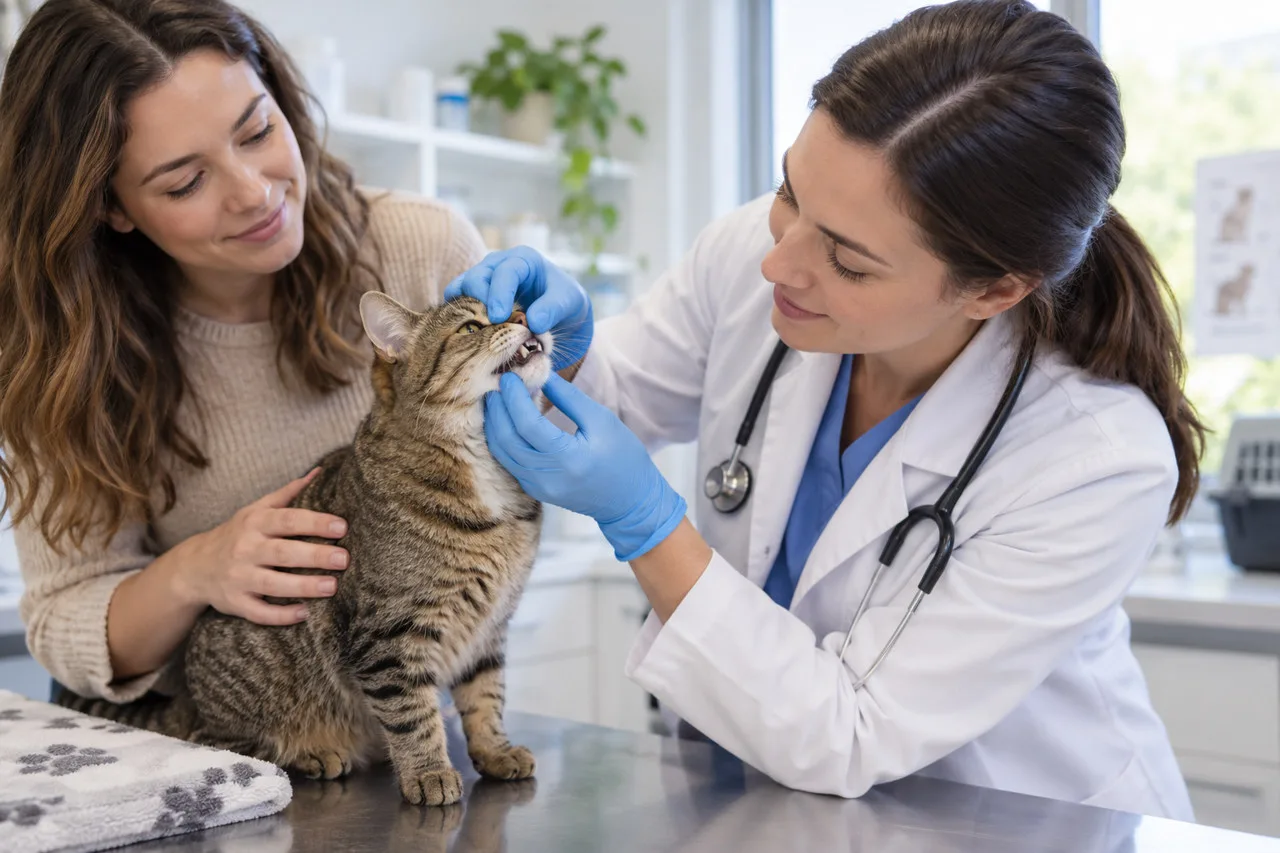
Ask the clinic what it can actually do: supply itemized invoices, send medical records, complete an insurer’s form if needed, and explain where after-hours or specialist care is handled. AVMA’s guidance on choosing a veterinarian emphasizes services, referral relationships and emergency arrangements. Those are useful starting points for an insurance conversation, too.
The phrase “we accept pet insurance” needs a follow-up. It might mean the practice provides claim paperwork while you pay the bill; it might mean it participates in a particular direct-payment system. Ask who pays the clinic at checkout, what deposit is required and what happens if the insurer has not decided the claim.
Do not ask the receptionist to guarantee that a policy covers a future condition. The clinic can describe its services and billing process; the insurer must explain the contract. Keeping those responsibilities separate makes both answers more useful.
What to know
Define veterinary fit before comparing names
What to know
Three current routes worth comparing
This can suit someone comfortable managing the initial bill and digital claim steps. Check the optional visit-fee benefit because consultation costs can matter even when treatment is eligible.
Pets Best: its direct-pay process involves a participating veterinary practice’s agreement and a signed release, with payment after claim processing. Ask your clinic whether it will use that arrangement and what remains payable meanwhile. The feature’s existence does not mean your visit is automatically cashless.
Trupanion: its claim guidance distinguishes participating-hospital direct payment from owner-submitted claims. Verify the particular hospital and service, not simply the brand. Ask how your share and any unapproved charges are collected.
These are examples of different administrative routes, not a market-wide ranking or a statement that one contract is cheapest or broadest. No personalized quotes or live claim tests were collected. The actual offered policy and the practice’s current procedures decide whether the route works.
Pet profile
Build a clean handoff when the pet is referred

If a primary vet refers your pet, ask which practice holds the original notes and who supplies the specialist invoice. Confirm whether you need to submit separate claims or documents and whether the insurer needs the referral. Keep the same pet identity across both practices so records can be matched.
For a paper or downloadable veterinary pet insurance claim form, use the current form for the insurer and state product. Complete the owner’s portion accurately and ask the practice which fields it must certify. An estimate is not a final invoice, and a signature from the clinic does not certify insurance coverage.
Save confirmation of submission and any request for additional records. If a document is missing, contact the party that created it rather than repeatedly resubmitting the same incomplete package. This check matters for ordinary reimbursement as much as for direct payment.
Decision guide
Choose the combination you can actually use
Shortlist the contracts that protect the risks you care about, then eliminate any arrangement whose upfront payment or record requirements you cannot manage. Ask the insurer any unresolved coverage question in writing and ask the clinic to confirm its own billing procedure.
If the clinic suggests a company, ask why it fits this practice and whether the recommendation reflects payment integration, administrative experience or the policy’s medical scope. Those are different reasons. You can value the advice while still checking alternatives.
Keep a one-page note with the policy’s claims route, the clinic’s records contact and the emergency referral plan. That is more useful during an urgent visit than an unsupported “best insurer” label.
Evidence
Sources and policy context
OVMA: AVMA guidance on choosing a veterinarian
Read the source →
California insurance department: Buying questions
Read the source →
These public references support the consumer or veterinary context. Named insurer details were checked in official product materials; the policy offered for your pet and state determines the actual terms.
Next step
Compare Current Pet Insurance Rates
Check current options for your pet and location, then compare the policy details, exclusions, costs, and eligibility before choosing.